
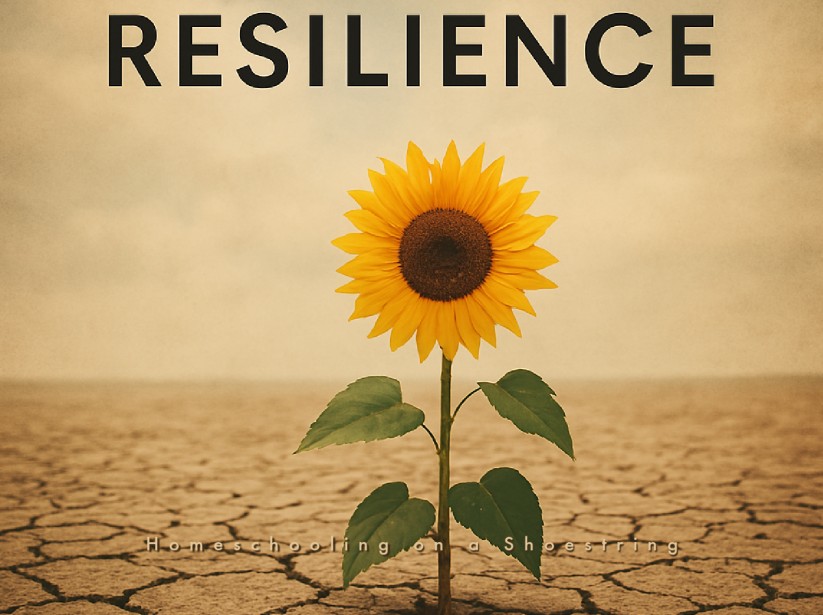
Finding Resilience in Unexpected Moments
Life has a way of throwing unexpected challenges our way—sometimes it’s the small stuff, other times it’s something that shakes us to our core. Recently, I encountered a situation that pushed me to my limits and tested my ability to stay calm, rational, and resilient. It wasn’t something I anticipated, and it certainly wasn’t something I could have prepared for, but it’s moments like these that shape our capacity for handling adversity.
When faced with a situation that feels overwhelming, it’s natural to feel a mix of emotions—fear, anger, and even frustration. But I’ve learned that the key to moving forward is not just about what happens to us, but how we choose to cope and find resilience within ourselves.
1. Trusting Your Instincts and Setting Boundaries
In moments of confusion or distress, it’s important to listen to your instincts. We are often the best judges of our own safety and comfort. Trusting yourself to stand up for what’s right, whether it’s speaking up or deciding to act, is crucial. In times when others might overstep boundaries or act in a way that feels inappropriate, remembering that you have the right to set your own limits is empowering. Even in challenging moments, I’ve found strength in asserting those boundaries.
2. Taking Action When You Need to
Sometimes, when situations feel out of control, taking immediate action is the most effective way to regain a sense of power. It might be something as simple as stepping back and assessing what’s happening, or it could involve reaching out for help from others or taking steps to ensure your safety. The moment I realized things were escalating beyond what I could handle alone, I knew I needed to take action, even if that meant calling on others for assistance. The hardest part is often just acknowledging the need for help, but doing so can be a game-changer.
3. Practicing Self-Care When Your Body and Mind Need It
After an emotionally draining experience, it’s so easy to get caught up in the chaos and let it affect your peace. When emotions run high, it’s important to make space for self-care. I found that despite how overwhelming the day was, taking time for myself, even if it’s just to breathe deeply or take a moment to regroup, helped me regain perspective. In moments of heightened anxiety or anger, we sometimes forget to take care of our mental and physical health, but in my experience, it’s one of the most powerful ways to stay centered.
4. Finding Strength in the Small Victories
Looking back at situations that challenge us, it’s easy to focus on what went wrong. But I’m trying to focus on what went right, too. Every small step we take to handle difficult moments—whether it’s finding the courage to speak up, staying calm when others might react emotionally, or simply allowing ourselves to take a step back—are victories. We have the ability to navigate through tough moments, and those small acts of resilience are the ones that build our strength over time.
Stress can contribute significantly to inflammation in the body, especially if you have conditions like autoimmune disease. When you’re under stress, your body releases higher levels of cortisol, which can trigger or worsen inflammation. Emotional stress, like a challenging situation, can also make pain more intense and recovery harder. I’m taking steps to manage stress, practicing self-care, and trying to get proper rest, but it’s raw.




2 Comments
Doug
This works if you can wiggle out from unser the stress in the first place.
Pretty hard when the stress has you completely crushed.
Know when to ask for help.
Blog on ! 😉
Alice Gerard
Yes, I really agree with this. When facing stressful situations, self care is so important and so necessary. And, even though I agree with it, that doesn’t mean I’m always good about practicing it. I definitely need work in that but then we are all works in progress.