-
World Exploration Unit Study
For centuries, most European sailors stayed close to the coast because the open ocean was a mystery. That began to change when Viking longships crossed the North Atlantic around the year 1000, and again in the 1400s and 1500s, when … [continue reading]
-
Time and Measurement Unit Study
Long before anyone owned a wristwatch, people kept track of time by watching the sun move across the sky, the moon change shape, and the seasons come and go. Ancient Egyptians read the shadows on sundials, Babylonians gave us the … [continue reading]
-
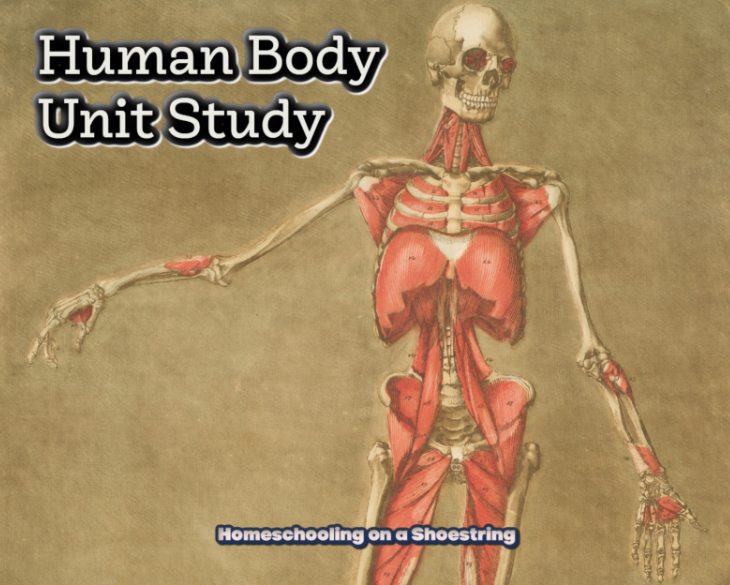
Human Body Unit Study
Your body is built from trillions of tiny cells that team up to form tissues, organs, and whole systems. Bones hold you up, muscles move you, your heart pumps blood all day and night, your lungs bring in fresh air, … [continue reading]
-
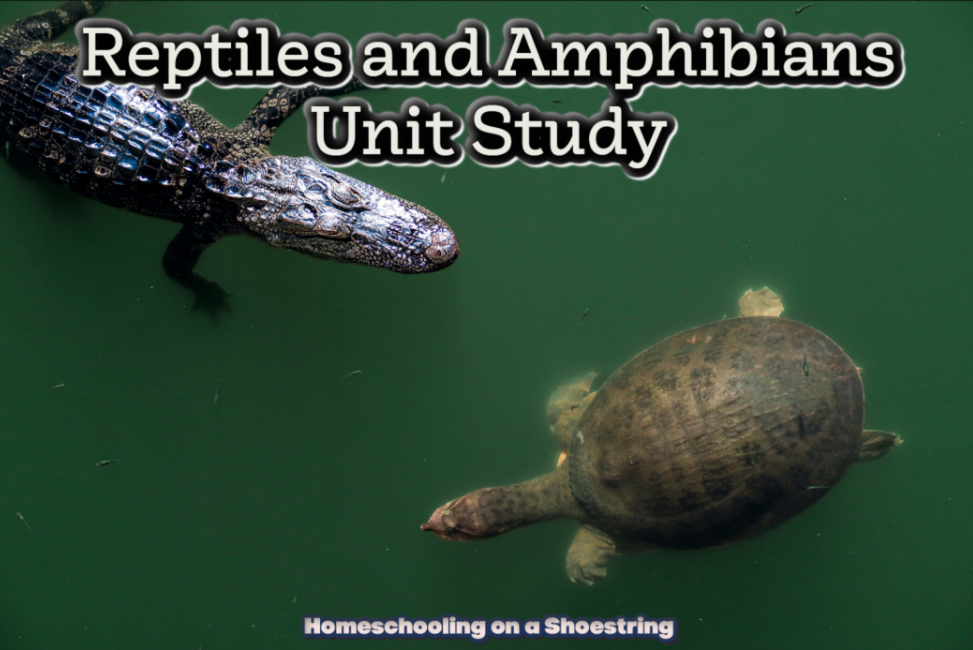
Reptiles and Amphibians Unit Study
Reptiles and amphibians are the animals that hiss, croak, bask, and burrow. Turtles, snakes, lizards, crocodiles, and the rare tuatara are reptiles, with dry, scaly skin and eggs that can be laid on land. Frogs, toads, salamanders, newts, and the … [continue reading]
-
Apples Unit Study
Apples have been grown for thousands of years, from the forests of Central Asia to the orchards of Greece and Rome. The Pilgrims found only small, sour crabapples when they reached America, so the colonists sent back to England for … [continue reading]
-
Titanic Unit Study
On April 10, 1912, the largest moving object ever built set sail from Southampton, England, on its first voyage to New York. The RMS Titanic was called “unsinkable.” Four days later, just before midnight on April 14, it struck an … [continue reading]
-
Geology Unit Study
Every rock has a story. A smooth stone from the creek, a chunk of gravel from the driveway, or a Petoskey stone from a Michigan beach all formed in different ways and traveled a long way to land in your … [continue reading]
-
Deserts: A Biomes Unit Study
A desert is any place that gets less than about 10 inches of rain or snow in a whole year. Some deserts are hot sand seas like the Sahara, but others are rocky, gravelly, or even icy. The biggest desert … [continue reading]
-
Olympics Unit Study
Every four years, athletes from around the world gather to run, swim, skate, and ski for a medal and the honor of their country. The tradition started nearly 2,800 years ago in Olympia, Greece, where young men raced on a … [continue reading]
-
Civics Unit Study
Civics is the study of how people govern themselves and what it means to be a citizen. Children learn who makes the rules in their town, their state, and their country, how those leaders are chosen, and why the United … [continue reading]

Making available ways of homeschooling for little or no money while maintaining a high quality of education.